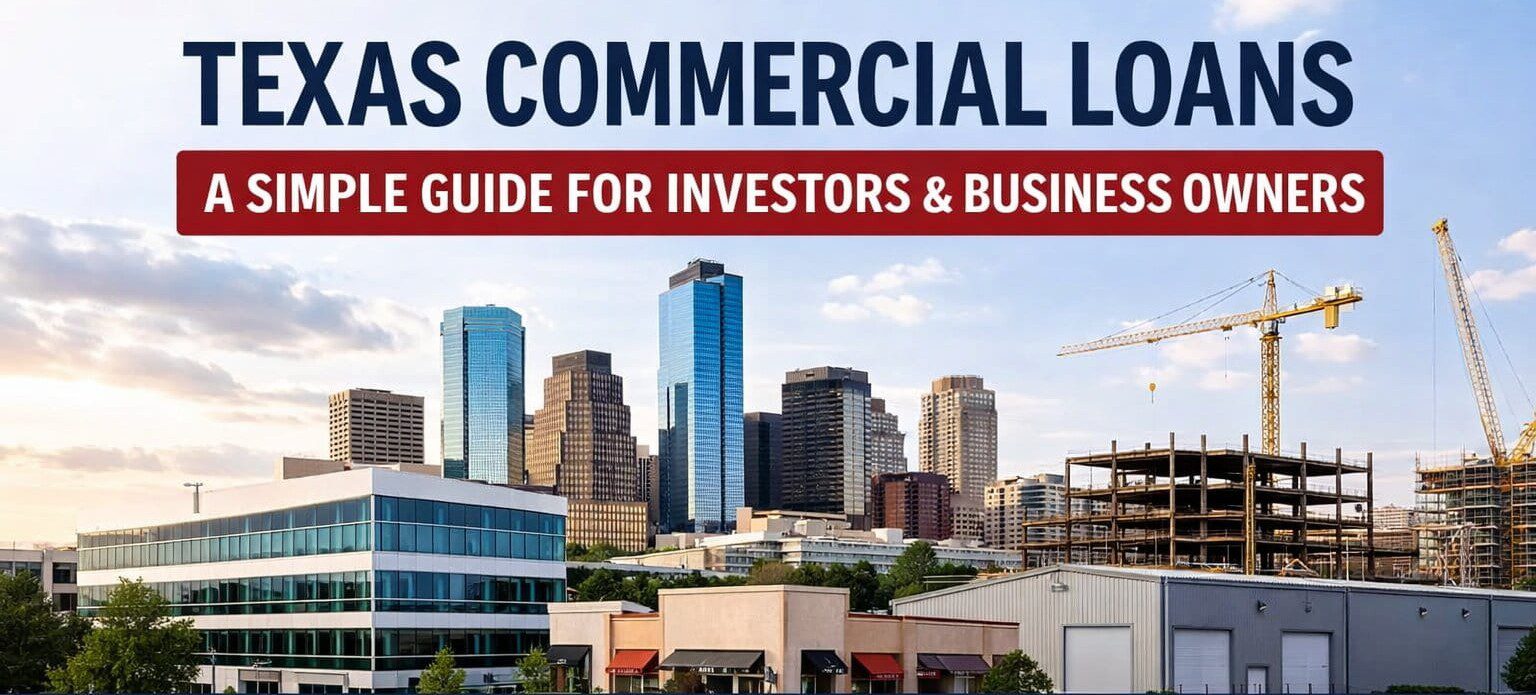
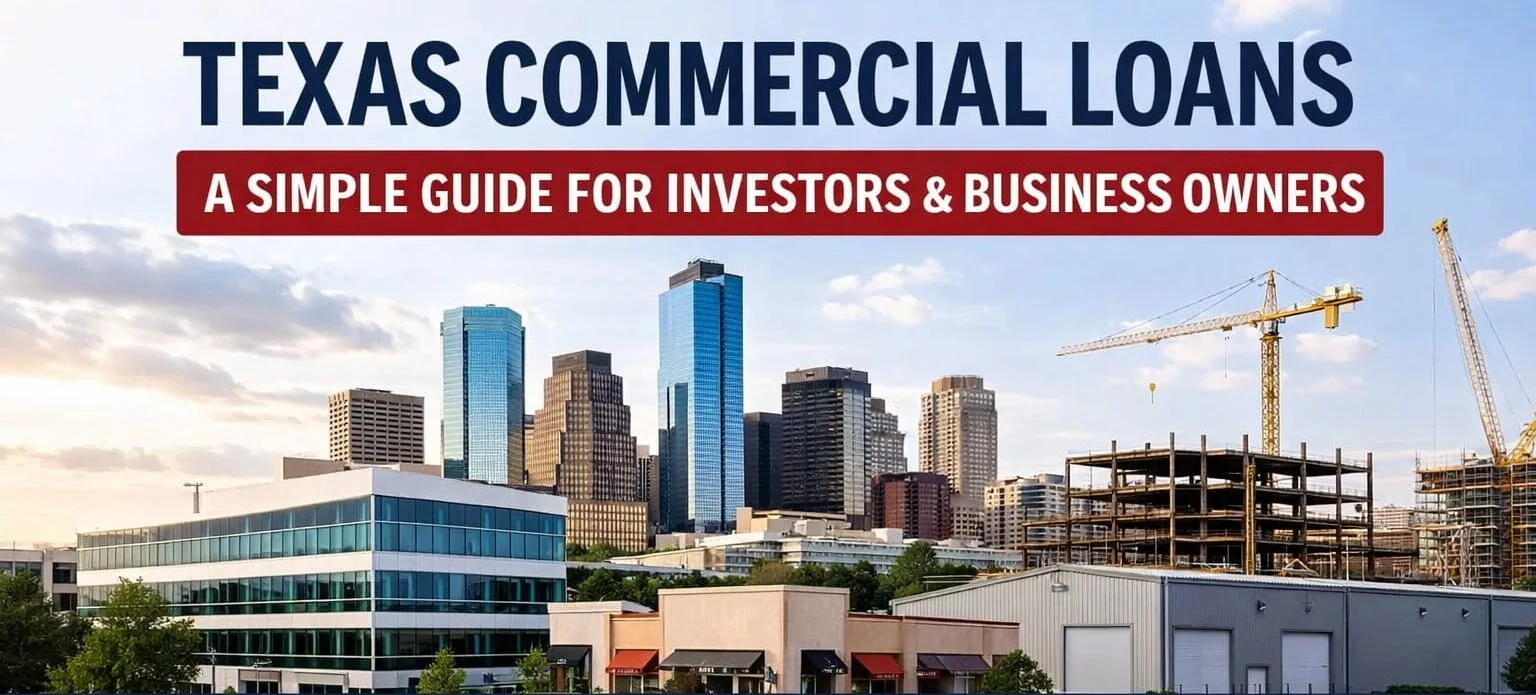
How to Get a Commercial Real Estate Loan in Texas (2026 Guide)
Getting a commercial real estate loan in Texas can feel complex if you’ve never gone through the process before. Between lender requirements, deal structure, and underwriting, there are a lot of moving parts. The good news is that with the right guidance—and access to the right lenders—the process is much more straightforward than most borrowers expect.
At Lone Star Financing, we work with Texas investors and business owners to secure commercial financing by connecting them with a wide network of lenders and structuring deals that actually get approved. Whether you’re purchasing a property, refinancing an existing asset, or expanding your portfolio, this guide will walk you through how commercial loans work in Texas and how to position your deal for success.
What Is a Commercial Real Estate Loan?
A commercial real estate loan is used to purchase, refinance, or improve income-producing properties or owner-occupied business properties. Unlike residential loans, commercial financing is primarily based on the performance of the property and the strength of the deal—not just personal income.
Common property types include:
- Multifamily properties (5+ units)
- Retail centers and strip malls
- Office buildings
- Industrial and warehouse properties
- Hotels and hospitality assets
- SBA-eligible owner-occupied properties
Each of these property types comes with slightly different guidelines, but the core underwriting principles remain consistent across most commercial loan programs.
Commercial Loan Requirements in Texas
While guidelines vary by lender, most commercial loans in Texas are evaluated based on a combination of borrower strength and property performance.
Here are the key factors lenders look at:
Credit Profile
Most lenders prefer a credit score of 680 or higher, though some programs allow flexibility depending on the strength of the deal.
Debt Service Coverage Ratio (DSCR)
This measures whether the property generates enough income to cover the loan payments. A DSCR of 1.20x to 1.30x is typical.
Down Payment
Expect to invest between 20% and 30% depending on the asset type and loan structure.
Liquidity & Reserves
Lenders want to see that you have additional capital available after closing to cover unexpected expenses.
Experience
Prior real estate or business experience can strengthen your application, especially for larger or more complex deals.
Strong applications typically combine a qualified borrower with a property that produces stable, predictable income.
How the Process Works
A streamlined approach designed to help you move from deal review to closing with clarity and confidence.
Deal Review
We start by reviewing the property, borrower profile, loan request, and overall deal structure to determine the best path forward.
Lender Matching
We identify lenders and loan programs that fit the asset type, loan size, borrower strength, and investment goals.
Term Sheet
Once a lender fit is identified, you review the proposed loan terms, structure, leverage, and pricing before moving ahead.
Underwriting & Due Diligence
The lender reviews financials, property details, and supporting documents while third-party items like appraisal and reports are completed.
Closing
After final approval, loan documents are signed and the transaction moves to funding and closing.
Commercial Loan Types Available in Texas
There are several types of commercial loans available, depending on your property and investment strategy.
Multifamily Loans
Used for apartment buildings and large residential income properties.
Retail & Office Loans
Designed for stabilized properties with tenants in place.
Industrial Loans
Ideal for warehouses, distribution centers, and flex space.
Hospitality Loans
Tailored for hotels and short-term lodging properties.
SBA Loans (7(a) & 504)
SBA commercial loan programs are best suited for owner-occupied business properties, often with lower down payment options.
Choosing the right loan structure is just as important as getting approved, which is why exploring multiple options is key.
Why Work with a Commercial Mortgage Broker?
One of the most common mistakes borrowers make is going directly to a single bank and assuming they’re getting the best option. In reality, banks can only offer their own loan programs, which may not be the best fit for your deal.
As a Texas mortgage broker, Lone Star Financing works differently.
We provide access to a wide network of commercial lenders and help match your deal with the right program based on your specific scenario. This allows for more flexibility, more competitive pricing, and better overall execution—especially for deals that don’t fit perfectly into one lender’s box.
Instead of trying to force your deal into a single option, we help you explore multiple paths and choose the one that makes the most sense.
The CommLoan Advantage
To streamline the process even further, Lone Star Financing utilizes the CommLoan platform to efficiently match deals with the right lenders.
Through this platform, we can access:
- 100+ commercial lenders
- Thousands of loan programs
- Real-time deal matching based on your property and financials
Instead of submitting your deal to one lender at a time, we can quickly identify the most competitive options and move forward with confidence. This not only saves time but often leads to stronger loan terms and a smoother closing process.
Get Started with a Commercial Loan in Texas
If you’re considering a commercial real estate purchase or refinance, the most important step is getting your deal structured correctly from the start.
At Lone Star Financing, we take a hands-on approach to commercial lending—helping Texas borrowers navigate the process, evaluate their options, and secure financing that aligns with their goals.
If you’d like a quick review of your deal or want to explore your options, our team is here to help you move forward with clarity and confidence.
Ryan Collins is the founder of Lone Star Financing, a Texas mortgage broker specializing in residential and commercial real estate financing. He works closely with investors and business owners to structure deals, navigate lender requirements, and secure competitive financing through a network of trusted lending partners.